An investigational peptide developed for advanced research. Strictly intended for research use only.
*LC-MS identity confirmation may be performed when analytical review indicates conflicting, atypical, or inconclusive results.
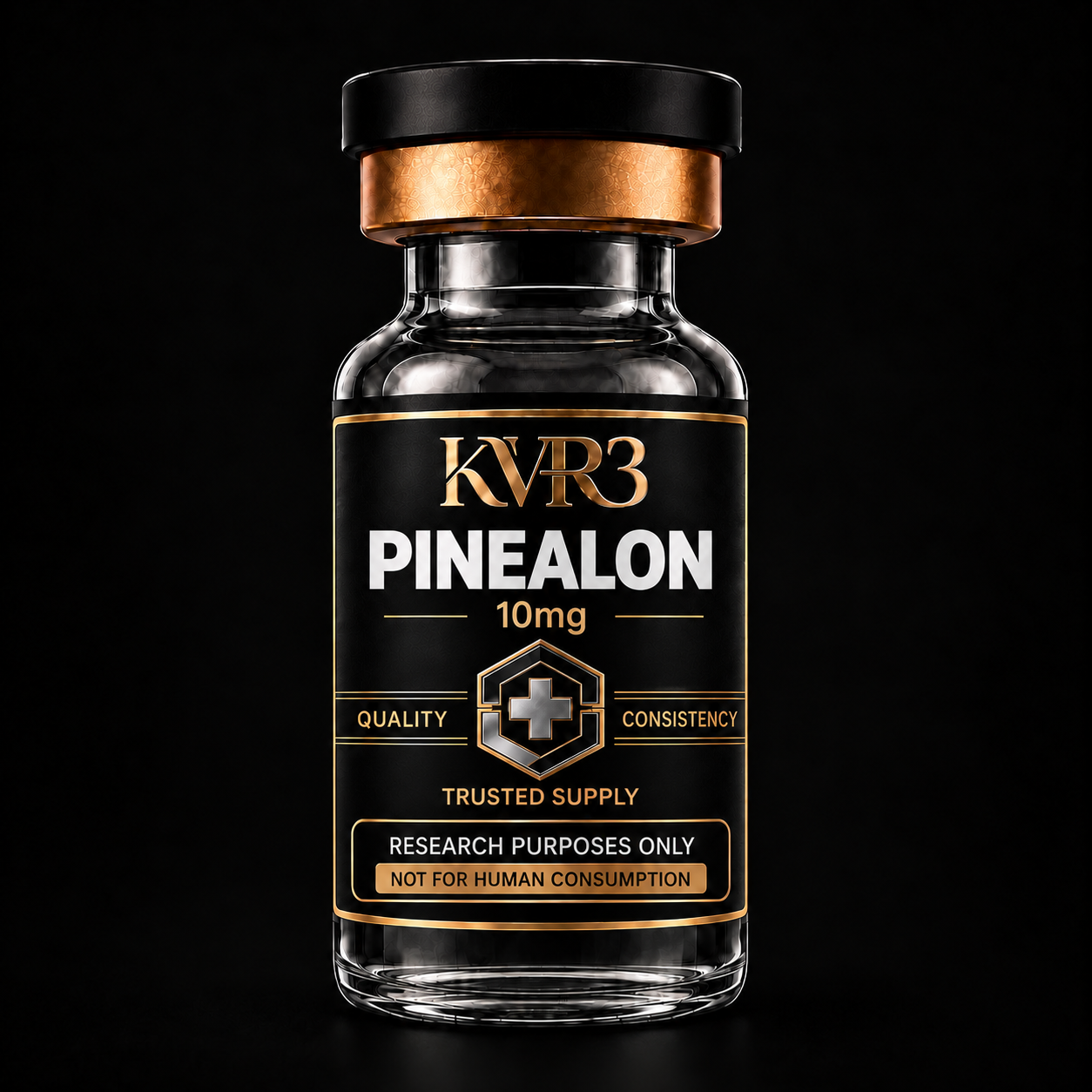
Pinealon is a synthetic short peptide composed of three amino acids (Glu-Asp-Arg), developed as part of a class of regulatory peptides studied for their potential effects on neuronal function, gene expression, and cellular aging processes. It is primarily investigated for its role in supporting cognitive function, neuroprotection, and central nervous system regulation in experimental models. This peptide is believed to exert its effects by interacting with DNA regulatory regions and influencing gene expression within neurons. Through this mechanism, Pinealon may help modulate protein synthesis associated with neuronal repair, synaptic plasticity, and cellular maintenance. These actions are linked to improved neuronal signaling efficiency and enhanced resistance to cellular stress. Preclinical research suggests that Pinealon may support cognitive performance by improving memory formation, attention, and learning capacity. Its neuroprotective properties are associated with reduced oxidative stress and stabilization of neuronal membranes, which may help preserve brain function under conditions of aging or neurodegenerative challenge. Unlike broad-spectrum neuroactive compounds, Pinealon is designed to act at the level of genetic regulation within neural cells, offering a more targeted approach to studying cognitive and neuroprotective pathways. This specificity allows researchers to investigate how peptide-based signaling influences long-term neuronal health and function. In addition to its cognitive effects, Pinealon has been explored for its potential role in regulating circadian rhythms and supporting pineal gland function, which may influence sleep-wake cycles and overall neuroendocrine balance. These areas remain under active investigation. Pinealon is primarily utilized in laboratory and experimental research to study neurodegeneration, cognitive function, aging-related processes, and gene expression in neural tissue. Ongoing studies continue to evaluate its long-term biological activity and potential applications in age-related neurological conditions.
Each batch undergoes analytical review using validated laboratory procedures. HPLC testing is utilized to assess purity and compare the sample profile against established reference standards. Where additional verification is warranted, LC-MS analysis may be performed to support compound identity confirmation.
*See LC-MS Confirmation Information for full details.
Every batch supplied by KVR3 Compound Research is assigned a unique batch number and maintained under documented quality-control procedures with supporting analytical documentation available upon request.
No reviews yet — be the first to review this product.
For Research Use Only. This product is intended solely for laboratory and scientific research where permitted by applicable laws and regulations. Not intended for human or veterinary use. It is not intended for diagnostic, therapeutic, or clinical applications.
At KVR3, we are committed to providing research products supported by transparent documentation and quality-focused processes. Where available, each batch is accompanied by analytical documentation to help researchers evaluate product specifications.
All KVR3 Compound Research orders are shipped directly from within Canada, ensuring efficient delivery, reliable service, and consistent quality-control from fulfillment to arrival.
No reviews yet — be the first to review this product.